Garden Maintenance in Poplar: Practical Tips for a Healthy, Beautiful Outdoor Space
Garden maintenance in Poplar is more than a seasonal chore; it is an ongoing way to protect the value, appearance, and usability of your outdoor space. Whether you have a compact courtyard, a family garden, or a larger landscaped property, regular care helps plants thrive, keeps pathways safe, and prevents small problems from turning into costly repairs. For homeowners, landlords, and businesses alike, consistent garden maintenance in Poplar can make a noticeable difference throughout the year.
Poplar’s urban setting creates both opportunities and challenges for outdoor spaces. Gardens may benefit from sheltered microclimates, but they can also face compacted soil, limited sunlight, pollution, and heavy use. That is why garden maintenance Poplar services and practical DIY routines should focus on soil health, pruning, lawn care, waste removal, and seasonal planning. With the right approach, any garden can stay tidy, healthy, and attractive in every season.
In this article, we will look at what effective garden maintenance involves, how to manage common tasks, and why regular upkeep matters for properties in Poplar. You will also find practical advice on lawns, planting, hard landscaping, pest control, and seasonal care. If your goal is a greener, cleaner, and more welcoming outdoor space, the right maintenance plan is the place to start.
Why Garden Maintenance in Poplar Matters

Good garden maintenance in Poplar supports more than visual appeal. It protects plant health, improves drainage, reduces trip hazards, and helps you get more value from every square metre of outdoor space. A well-kept garden also creates a calmer environment, which is especially important in busy urban neighbourhoods where private green space offers a welcome escape.
Without regular care, even a healthy garden can decline quickly. Grass becomes patchy, shrubs grow unevenly, weeds spread into borders, and patios collect moss and debris. In many cases, a few small jobs each month are enough to avoid bigger issues later. That is why structured garden maintenance Poplar routines are so effective: they prevent the garden from becoming unmanageable.
Property owners also benefit from the practical side of upkeep. Overgrown hedges can reduce light, blocked drains can cause water pooling, and neglected lawns can make a front or back garden look tired. A consistent plan keeps outdoor areas safe, tidy, and ready to enjoy. In short, garden maintenance in Poplar is an investment in comfort, appearance, and long-term property care.
Core Elements of Effective Garden Maintenance

Successful garden maintenance in Poplar usually comes down to a handful of essential tasks carried out regularly and with attention to detail. These tasks may look simple, but together they support the overall health of the garden and reduce the need for reactive work.
Here are the main elements to include in any garden maintenance Poplar plan:
- Lawn care such as mowing, edging, aerating, and feeding.
- Weed control in borders, paths, and paved areas.
- Pruning and trimming of hedges, shrubs, and climbers.
- Watering in dry weather, especially for young plants and containers.
- Soil improvement through mulching, composting, and feeding.
- Leaf clearance and waste removal to keep the space clean and healthy.
These tasks may be carried out weekly, monthly, or seasonally depending on the size of the garden and the type of planting. The key is consistency. Even a small amount of regular maintenance is usually better than occasional intensive work. For busy households and commercial premises, scheduled garden maintenance in Poplar can save time while keeping the property looking its best.
Lawn Care for Poplar Gardens
Keeping Grass Healthy All Year
A lawn is often the first thing people notice, which is why lawn care is central to garden maintenance in Poplar. A healthy lawn creates a neat backdrop for planting, paths, seating areas, and borders. However, urban lawns can face wear from foot traffic, shade, compacted soil, and fluctuating moisture levels.
Routine mowing is essential, but it should not be the only aspect of lawn care. Grass benefits from occasional aeration, scarification, feeding, and reseeding where needed. If the lawn becomes thin or patchy, weed growth often follows. Maintaining the right mowing height is also important; cutting too short can stress the grass, especially during hot or dry periods.
Good lawn maintenance in Poplar should include the following:
- Mow regularly during the growing season, but avoid removing too much at once.
- Edge borders and pathways for a crisp, tidy finish.
- Aerate compacted areas to improve air and water movement.
- Apply lawn feed at the right time of year for stronger growth.
- Overseed thin patches to encourage thicker, healthier turf.
Common Lawn Problems
Residents often notice moss, bald patches, or weeds such as dandelions and clover. These issues usually point to deeper problems like low light, poor drainage, or nutrient deficiency. Addressing the cause is more effective than simply treating the symptoms. A well-planned garden maintenance in Poplar routine can restore resilience and make the lawn easier to manage over time.
For lawns that receive frequent use, especially in family gardens, consistent upkeep is essential. If time is limited, professional garden maintenance Poplar support can help ensure the lawn remains in good condition without becoming a burden.
Pruning, Trimming, and Plant Health
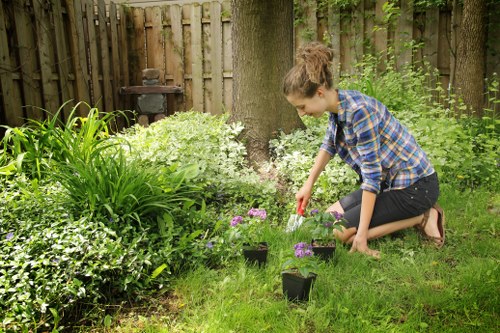
Pruning plays a major role in garden maintenance in Poplar because it helps plants grow in the right shape, improves flowering, and prevents overcrowding. Shrubs, hedges, roses, fruit trees, and climbers all benefit from thoughtful trimming at the right time of year. Without pruning, many plants become woody, unbalanced, or vulnerable to disease.
It is important to understand that pruning is not simply about cutting back growth. Done well, it encourages healthier structure and better air circulation. This reduces the risk of fungal issues and helps light reach lower branches and surrounding plants. In smaller gardens, regular trimming also stops plants from overwhelming paths, windows, and seating areas.
Useful pruning and trimming practices for garden maintenance in Poplar include:
- Removing dead, damaged, or crossing branches.
- Shaping hedges to maintain clean boundaries.
- Cutting back overgrown climbers before they spread too far.
- Deadheading flowers to encourage repeat blooming.
- Thinning dense shrubs to improve airflow and light.
Timing Matters
Different plants need different schedules. Some shrubs are best pruned after flowering, while others are trimmed in late winter or early spring. If in doubt, it is safer to remove only limited growth rather than cutting too heavily. Careful timing is one of the most important parts of garden maintenance in Poplar, especially where ornamental plants and productive plants grow together.
Well-maintained plants not only look better but also last longer and perform more reliably. That means more flowers, stronger structure, and fewer losses to disease or neglect. A regular trimming routine can transform the appearance of any outdoor space.
Weed Control and Border Management
Weeds are one of the most common frustrations in garden maintenance in Poplar. They compete with desirable plants for water, light, and nutrients, and they can quickly take over borders, driveways, patios, and gravel areas if left unchecked. The good news is that regular attention makes weed control much easier.
The best approach is prevention combined with prompt removal. Mulching helps block light and reduce germination, while hand weeding allows you to remove roots before weeds spread further. On paths and patios, brushing away debris and treating joints can make a huge difference. Border maintenance also helps by keeping ornamental plants dense enough to shade out unwanted growth.
Effective weed control methods include:
- Hand pulling weeds after rain when the soil is softer.
- Applying mulch around shrubs, perennials, and young plants.
- Clearing weeds from paving joints and gravel regularly.
- Using ground cover plants to limit open soil exposure.
- Inspecting borders weekly during active growing periods.
For many properties, a simple habit of checking for weeds every few days saves a great deal of effort later. This is particularly useful in urban settings, where seeds can arrive from neighbouring spaces, pavements, or windblown sources. Strong weed management is a core part of professional garden maintenance in Poplar and a smart priority for anyone looking to preserve a neat appearance.
Seasonal Garden Maintenance in Poplar

Garden maintenance in Poplar works best when it follows the seasons. Each part of the year brings different demands, and a seasonal routine ensures that work is done at the right time. This protects plants, reduces waste, and helps the garden look its best throughout the year.
Spring Tasks
Spring is the season for fresh growth. It is the ideal time to clear winter debris, cut back damaged material, feed the lawn, and prepare beds for planting. Spring garden maintenance Poplar work also includes checking containers, refreshing mulch, and supporting new growth with watering and staking where necessary.
Summer Tasks
Summer maintenance focuses on watering, mowing, deadheading, and keeping weeds under control. During dry periods, plants in containers and newly planted borders need extra attention. Hedges and shrubs may also need trimming to stop them from becoming too wide or untidy.
Autumn Tasks
Autumn is a key time for leaf clearance and soil preparation. Fallen leaves can smother lawns and pathways if left to build up. It is also a good time to plant bulbs, improve soil with compost, and reduce the risk of winter damage by checking stakes, ties, and supports.
Winter Tasks
Winter garden maintenance in Poplar should focus on protection and tidiness. This includes removing storm debris, checking drainage, protecting delicate plants from frost, and carrying out structural pruning where appropriate. Even in colder months, the garden benefits from light attention and regular inspections.
A seasonal approach keeps maintenance efficient and predictable. Rather than reacting to problems after they have grown, you can stay ahead of them. That is one of the main reasons garden maintenance in Poplar is so effective when planned across the year.
Soil Care and Planting Success
Healthy soil is the foundation of successful garden maintenance in Poplar. If the soil is poor, compacted, or low in nutrients, plants will struggle no matter how carefully they are watered or pruned. Improving the soil can lead to stronger roots, better flowering, and more resilient growth.
Urban gardens often have soil that has been disturbed by building work or compacted by repeated use. In these situations, adding organic matter is one of the best things you can do. Compost, well-rotted manure, and mulch all improve structure and moisture retention. They also support beneficial soil organisms that help plants thrive.
To improve soil as part of garden maintenance in Poplar, consider the following:
- Add compost to borders in spring or autumn.
- Use mulch to retain moisture and reduce weeds.
- Avoid walking on wet soil where possible.
- Test drainage in problem areas and improve it if necessary.
- Choose plants suited to light levels and soil conditions.
Plant selection matters as much as soil care. Shade-tolerant plants are useful in narrow gardens or spaces bordered by buildings, while drought-tolerant plants can reduce watering demands in sunnier spots. Matching plants to conditions is a practical way to make garden maintenance in Poplar easier and more successful.
Hard Landscaping and Outdoor Surfaces
Garden maintenance in Poplar is not limited to plants. Paths, patios, fences, sheds, edging, and retaining walls all need care too. Hard landscaping provides structure and function, but it can quickly look neglected if surfaces are left dirty, slippery, or damaged.
Regular sweeping, washing, and moss removal can keep patios and paths safe and attractive. Wooden structures may need inspection for rot or loose fittings, while metal fixtures should be checked for rust. Driveway edges, paving joints, and border edging also benefit from routine attention to stop weeds and debris building up.
Important hard landscaping maintenance tasks include:
- Cleaning patios and paved areas to remove dirt and algae.
- Checking fences and gates for loose panels or hardware.
- Keeping drains and gullies clear of leaves and soil.
- Inspecting timber features for weather damage.
- Repairing cracked paving or uneven stepping stones early.
These tasks help maintain safety as well as appearance. In many cases, a garden may seem overgrown or untidy simply because paths and structures are dirty or damaged. Including hard landscaping in your garden maintenance in Poplar plan gives the whole space a fresher, more balanced look.
Pest, Disease, and Wildlife Considerations
Another important part of garden maintenance in Poplar is monitoring for pests and disease. Aphids, slugs, powdery mildew, black spot, and fungal problems can affect plants at different times of year. Early action is usually the best response, as small issues are easier to control than widespread infestations.
Healthy growing conditions are the first defence. Good spacing, regular watering at the base of plants, and removal of dead or diseased material all reduce risk. Overcrowded gardens often suffer more because air cannot circulate properly and moisture remains trapped on leaves. This is why pruning and tidying are so closely linked to plant health.
Wildlife should also be considered as part of garden maintenance in Poplar. Many gardens support birds, bees, butterflies, and other beneficial species. Using pollinator-friendly planting, avoiding unnecessary chemical use, and leaving some sheltered areas can help create a balanced outdoor environment. A well-managed garden does not need to be sterile; it should be healthy, tidy, and ecologically sensible.
When problems appear, respond quickly:
- Remove heavily affected leaves or stems.
- Check the underside of leaves for pests.
- Improve air circulation by thinning crowded growth.
- Use targeted treatments only when necessary.
- Monitor nearby plants for signs of spread.
By combining observation with prompt action, garden maintenance in Poplar can support both plant health and biodiversity.
Why Regular Professional Support Can Help
Some homeowners enjoy handling routine tasks themselves, while others prefer to outsource part or all of the work. Professional garden maintenance in Poplar is especially useful when time is limited, the garden is large, or the space requires specialist care. Professional support can also be valuable after periods of neglect, when a garden needs to be restored to a manageable condition.
A skilled team can help with lawn care, hedge trimming, weed removal, clearing seasonal debris, and general tidying. They can also create a maintenance schedule that suits the property and its planting. For busy households, landlords, and commercial premises, this level of consistency is often the difference between a garden that simply survives and one that looks truly cared for.
There are several practical advantages to regular professional maintenance:
- Saves time and reduces physical effort.
- Helps prevent small issues from escalating.
- Improves the overall appearance of the property.
- Supports plant health through proper timing and technique.
- Makes the garden easier to enjoy throughout the year.
If you want your outdoor space to stay in top condition with less stress, book your service now and keep your maintenance on track.
Creating a Simple Maintenance Routine
One of the best ways to manage garden maintenance in Poplar is to create a simple routine that fits your schedule. You do not need to do everything at once. Instead, break tasks into small, manageable actions and repeat them consistently.
A practical routine might include:
- Weekly mowing or edging during the growing season.
- Regular watering checks for beds and containers.
- Quick weed removal every few days.
- Monthly pruning, deadheading, and border tidy-ups.
- Seasonal soil feeding, mulching, and leaf clearance.
Keep tools clean and sharp, store equipment properly, and inspect the garden after windy or wet weather. Small habits can have a large impact. A little effort each week can prevent the need for major restorative work later. That is the real value of thoughtful garden maintenance in Poplar: it keeps the space under control and enjoyable without demanding constant heavy labour.
Whether you manage the garden yourself or rely on expert help, consistency is the key to long-term success. If your outdoor space needs attention, contact us today to get started with a maintenance plan that suits your property and your goals.
Final Thoughts on Garden Maintenance in Poplar
Garden maintenance in Poplar is about much more than making a space look neat. It supports healthy growth, reduces risks, protects surfaces, and creates an outdoor area that feels inviting and usable. From lawn care and pruning to weed control, soil improvement, and seasonal tasks, every part of the garden benefits from regular attention.
Whether you prefer to do the work yourself or bring in professional help, a clear maintenance routine will save time and deliver better results. In a busy urban setting, outdoor space is valuable. By caring for it properly, you can enjoy a garden that looks good, performs well, and remains manageable throughout the year. For reliable results and a fresher finish, book your service now and keep your garden maintenance in Poplar on the right track.

