Landscape Gardening in Poplar: Elegant Outdoor Spaces That Work Year-Round
Why Landscape Gardening in Poplar Matters
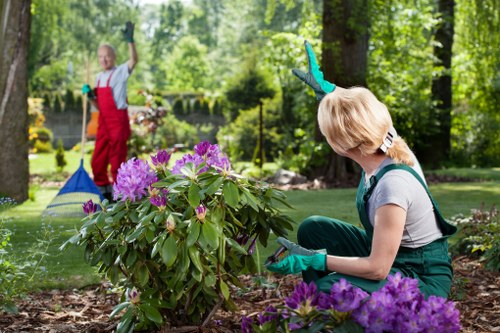
Landscape gardening in Poplar is about more than making a garden look attractive. It is about creating outdoor spaces that suit the character of the area, the needs of the people who use them, and the changing conditions of an urban East London setting. Poplar has a distinctive mix of residential streets, apartment living, riverside influences, and pockets of green space, which means every garden has its own story to tell.
When planned well, landscape gardening in Poplar can transform a small courtyard, a narrow terrace, a communal estate garden, or a larger private plot into a place that feels calming, practical, and visually balanced. The best designs combine structure, planting, lighting, surfaces, and maintenance in a way that supports daily life while still feeling stylish.
For many households and businesses, the goal is simple: create a space that looks good in every season and is easy to enjoy. That is why landscape gardening Poplar projects often focus on smart layouts, resilient plants, and low-maintenance features. With the right approach, an outdoor area becomes an extension of the home rather than an overlooked patch of ground.
Understanding the Poplar Setting
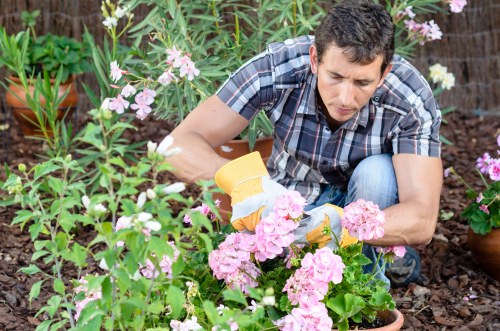
Before any planting begins, it helps to understand how Poplar’s environment shapes a garden. Urban conditions can bring limited space, reflected heat from buildings, variable wind movement, and sections of shade created by surrounding architecture. These factors influence everything from soil performance to plant choice.
Landscape gardening in Poplar works best when the design responds to these conditions rather than fighting against them. A south-facing garden may need extra irrigation and shade planting, while a shaded courtyard may require texture, pale surfaces, and plants that tolerate lower light levels. In both cases, the goal is to create a healthy, attractive space that thrives.
Poplar’s location also means many gardens must handle a blend of family use, privacy concerns, and visual appeal from upper windows or neighbouring buildings. Thoughtful landscape gardening in Poplar should therefore consider sightlines, screening, and how the garden looks from indoors as well as outside.
Local Conditions That Affect Design
Some of the most important environmental factors include:
- compact or awkwardly shaped plots
- partial shade from taller buildings or trees
- urban wind tunnels and exposed corners
- soil compaction from previous construction work
- pollution and dust from nearby roads
- the need for privacy in close-knit residential settings
These conditions do not limit creativity; they simply shape it. In fact, landscape gardening Poplar often benefits from this kind of challenge because a well-designed urban garden can feel particularly rewarding. Clever use of levels, containers, raised beds, and vertical planting can make even the smallest space feel generous.
Good planning also helps reduce long-term maintenance. If the right materials and planting scheme are selected from the start, the garden will remain easier to care for, more durable, and more enjoyable over time. That is why professional landscape gardening in Poplar often begins with a site assessment rather than a planting list.
Practical Design Priorities
When planning an outdoor area, it helps to focus on these priorities:
- define how the space will be used
- decide where seating, planting, and circulation should go
- choose materials that suit the scale of the garden
- select plants that match the light and soil conditions
- build in easy maintenance from the outset
Core Elements of a Successful Poplar Garden

Every strong outdoor scheme relies on a few fundamental building blocks. In landscape gardening in Poplar, these include paving, planting, lawns or alternatives, lighting, drainage, and feature details that bring everything together. The balance between hard landscaping and soft landscaping is especially important in urban gardens where space is limited.
Paving or decking often provides the structural backbone of the garden. It creates access, defines zones, and introduces materials that anchor the space visually. In a smaller Poplar garden, a carefully laid path or seating terrace can make the area feel ordered and spacious rather than crowded.
Planting then softens the overall effect. Shrubs, perennials, grasses, climbers, and small trees can bring movement and seasonal change. In landscape gardening Poplar projects, planting is often used strategically to frame views, create privacy, and reduce the hardness of walls and fences.
Hard Landscaping Features
Hard landscaping refers to the non-living elements in the garden. These may include:
- patios and pathways
- retaining walls and raised beds
- fencing and trellis panels
- water features and decorative edging
- pergolas, seating structures, and planters
These elements are not simply functional. They also help define the style of the garden. For example, smooth porcelain paving can create a contemporary look, while reclaimed brick or natural stone may suit a more classic urban garden. In landscape gardening in Poplar, material choices should reflect both aesthetics and durability.
Drainage deserves special attention too. Urban plots may have compacted ground or surfaces that do not absorb water well. Installing effective drainage solutions, permeable paving, or smart grading can protect the garden from pooling and help planting areas perform better.
Soft Landscaping Features
Soft landscaping includes all the living elements, such as:
- trees and shrubs
- flowering perennials
- ornamental grasses
- climbers for walls and fences
- seasonal bedding and container displays
Best Planting Ideas for Landscape Gardening in Poplar
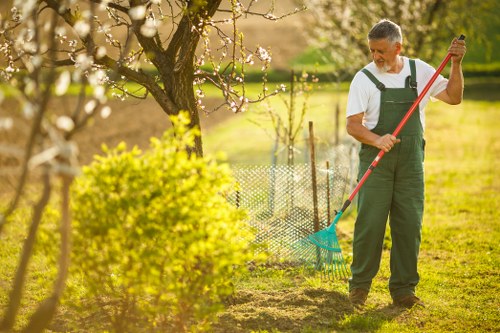
Landscape gardening in Poplar becomes much more appealing when the planting scheme is both beautiful and practical. Urban gardens often need plants that can handle changeable weather, reflective heat, occasional shade, and periods of dryness. The good news is that many resilient species also offer excellent visual impact.
Layered planting is one of the most effective approaches. Start with structural plants such as evergreens or compact shrubs, then add flowering perennials, ornamental grasses, and seasonal containers. This approach creates depth and ensures the garden remains attractive even when some plants are not in bloom.
For smaller spaces, vertical planting is especially useful. Climbers on trellises, wall-mounted planters, and green screens can add height without taking up precious floor space. This is a common strategy in landscape gardening Poplar projects where privacy and greenery are both important.
Plant Choices That Often Work Well
While plant selection should always depend on the exact site conditions, the following groups are often effective in urban East London gardens:
- Evergreens: box alternatives, bay, euonymus, pittosporum, and yew
- Perennials: hardy geraniums, heucheras, salvia, astilbe, and echinacea
- Ornamental grasses: miscanthus, pennisetum, stipa, and carex
- Climbers: jasmine, clematis, ivy, honeysuckle, and climbing roses
- Small trees: amelanchier, crab apple, ornamental cherry, and multi-stem birch
These selections can add structure, fragrance, colour, and movement. In landscape gardening in Poplar, it is often wise to combine evergreen backbone planting with seasonal interest so the garden feels alive all year.
Containers can also make a major difference. Large pots filled with herbs, shrubs, bulbs, or mixed displays are ideal for patios, roof terraces, and entrances. They allow flexibility and can be updated seasonally without redesigning the entire space.
Choosing drought-tolerant species is another smart move, especially where sunshine and wind can dry the soil quickly. Plants that cope well with these conditions reduce watering demands and support a more sustainable approach to landscape gardening in Poplar.
Designing for Small Gardens, Courtyards, and Terraces
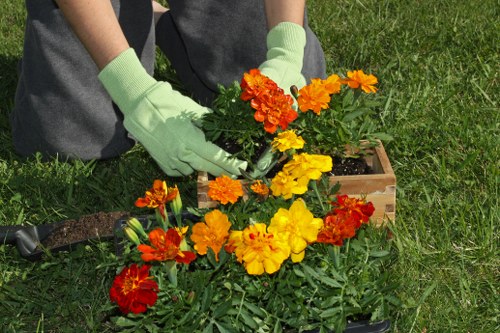
One of the most exciting aspects of landscape gardening in Poplar is the opportunity to work creatively in restricted spaces. Small gardens can feel far larger when they are planned with precision. Good layout, careful proportion, and clear focal points are the keys to success.
In compact spaces, every decision matters. Large-scale planting may overwhelm the area, while too many small details can create clutter. The best landscape gardening Poplar designs use a few strong features instead of many competing ones. This might mean a single elegant tree, a clean seating area, and a layered planting scheme along the boundaries.
Mirrors, pale surfaces, reflective materials, and repeated planting can also help create a sense of openness. Even the direction of paving lines can influence how a space feels. For example, diagonal or linear layouts may draw the eye outward and visually extend the garden.
Ideas for Maximising Space
- use built-in seating with integrated storage
- choose slim planting beds rather than wide borders
- add vertical features such as trellis or living walls
- keep the number of materials consistent
- limit the plant palette for a more cohesive finish
Outdoor zones are also useful in small gardens. A seating corner, a planting strip, and a circulation route can make a space feel organised. In landscape gardening in Poplar, zoning often improves both usability and appearance.
If the garden is visible from a flat or kitchen window, strong geometry and well-placed focal points can improve the view from inside. That matters because many urban residents experience their garden primarily as a visual extension of the home. A well-considered design should therefore reward both indoor and outdoor use.
For terraces and balconies, lighter containers, wind-tolerant planting, and compact furniture may be the best solutions. Even without traditional ground beds, landscape gardening in Poplar can still deliver a rich and welcoming atmosphere.
Creating Low-Maintenance Outdoor Spaces
Many homeowners want a garden that looks polished without demanding constant attention. That is where landscape gardening in Poplar can really shine. A low-maintenance design does not mean a boring one; it means making smart choices so the garden stays attractive with manageable effort.
Mulching, evergreen planting, simple geometry, and durable surfaces all help reduce upkeep. Gravel, bark, or decorative stone can suppress weeds and keep soil moisture more stable. Raised beds make planting easier to reach and can improve drainage as well.
Another useful strategy is to reduce the lawn area or replace it entirely with paving, stepping stones, planting beds, or wildlife-friendly groundcover. Lawns can work well in some Poplar gardens, but in many urban spaces they require too much water and maintenance to be the best option.
Low-Maintenance Features to Consider
- automated irrigation for containers and beds
- evergreen hedging or screening
- permeable surfaces that drain efficiently
- repeat planting for consistency and easier care
- durable outdoor lighting with low energy use
Maintenance planning should begin during the design stage. When a garden is shaped around realistic routines, it remains easier to enjoy. In professional landscape gardening Poplar work, this can be the difference between a space that flourishes and one that becomes neglected.
Practical maintenance also includes pruning schedules, seasonal feeding, weed control, and irrigation checks. By building these tasks into the annual rhythm, property owners can keep the garden in excellent condition without feeling overwhelmed.
For busy households, combining a clean structural layout with hardy planting is often the best answer. A neat paved terrace, a line of resilient shrubs, and a few statement containers can deliver a polished finish that still feels full of life.
Seasonal Interest and Year-Round Appeal
A successful garden should change beautifully through the year. In landscape gardening in Poplar, seasonal variation can be one of the most rewarding aspects of the design. Spring bulbs, summer colour, autumn texture, and winter structure all contribute to a garden that stays interesting.
To achieve year-round appeal, combine plants that peak in different seasons. Spring flowering shrubs, summer perennials, late-season grasses, and evergreen framework planting ensure there is always something to enjoy. This layered effect keeps the garden visually active instead of flat or predictable.
Seasonal containers are also highly effective. They allow the look of the garden to evolve without major effort. Tulips and daffodils can mark spring, annuals can brighten summer, and evergreen arrangements can keep winter spaces feeling purposeful and elegant.
Maintaining Interest Through the Seasons
- choose plants with different bloom times
- include bark, seed heads, and textured leaves
- mix flowers with foliage for long-lasting effect
- use lighting to enhance the garden after dark
- keep some evergreen structure visible at all times
Lighting deserves special mention because it extends the use of the garden into the evening. Warm low-level lights, uplighters for trees, and discreet path lighting can make the space feel safe and inviting. In urban landscape gardening Poplar settings, lighting also helps define areas and improve the overall atmosphere.
Winter should not be an afterthought. Bare branches, architectural plants, woven grasses, and attractive hard landscaping surfaces can make a garden look sophisticated even during colder months. That sense of structure is especially valuable in a place like Poplar, where the garden often needs to perform in multiple ways all year.
When seasonal design is handled well, the garden never feels static. It becomes a living environment that responds to light, weather, and time, while still feeling cohesive and intentional.
Sustainable Landscape Gardening in Poplar
Sustainability is now a major part of modern landscape gardening in Poplar. More homeowners and businesses want gardens that support biodiversity, conserve water, and use materials responsibly. The good news is that sustainable design can also be beautiful and practical.
One of the easiest ways to create a greener garden is to choose plants that suit the site. A plant that thrives naturally in local conditions will need less water, fewer inputs, and less intervention. Similarly, using reclaimed materials, permeable paving, and recycled timber can lower environmental impact.
Wildlife-friendly planting is another important element. Nectar-rich flowers, berry-producing shrubs, and layered planting can support pollinators, birds, and beneficial insects. In landscape gardening Poplar projects, even a modest garden can contribute to urban ecology.
Eco-Friendly Ideas
- collect rainwater for irrigation
- use peat-free compost and soil improvers
- add pollinator-friendly flowers
- install permeable surfacing where possible
- reuse or repurpose existing materials
Companion planting and thoughtful planting combinations can also help reduce pests and improve resilience. Rather than relying on intensive intervention, the garden becomes more balanced and self-supporting. This approach suits busy urban lifestyles and helps make landscape gardening in Poplar more future-focused.
Green walls, roof planting, and climbing plants can help soften hard urban edges and improve microclimates. They also make a space feel cooler, softer, and more welcoming. Even modest design choices can have a noticeable environmental benefit.
Sustainability is not about giving up style. In fact, some of the most elegant outdoor spaces use subtle planting, natural textures, and restrained design to create a calm and timeless result.
Why Professional Planning Makes a Difference
Although many people enjoy DIY projects, landscape gardening in Poplar often benefits from professional planning. A well-trained designer or landscaper can assess the site, anticipate problems, and create a layout that looks good and functions properly from day one.
This is especially valuable in urban gardens where access, drainage, boundaries, and light conditions may be challenging. Professional input can help avoid common mistakes such as poor planting placement, inadequate drainage, or surface materials that do not suit the space. A considered design saves time, money, and stress later on.
Working with an experienced team can also improve the finish. Accurate edging, careful paving installation, and precise planting plans all contribute to a polished result. In landscape gardening Poplar work, those details often make the difference between an average garden and a standout one.
What Good Planning Usually Includes
- site measurement and assessment
- discussion of how the garden will be used
- material and planting selection
- drainage and maintenance planning
- clear visual structure and practical layout
Good planning is also about future use. A garden may need to adapt as a family grows, a business changes, or maintenance requirements shift. Flexible landscape gardening in Poplar designs make it easier to evolve the space without starting again.
That flexibility is especially important in urban homes where outdoor areas may need to serve multiple roles: entertaining, relaxing, growing plants, and providing visual calm. A skilled design can accommodate all of that without feeling overcrowded.
If you are considering an outdoor makeover, now is a strong time to invest in a thoughtful layout and quality materials. Contact us today to discuss ideas for landscape gardening in Poplar and turn your outdoor space into somewhere you will genuinely love using. Book your service now and start shaping a garden that works beautifully for your home or property.
Final Thoughts on Landscape Gardening in Poplar
Landscape gardening in Poplar offers enormous potential, whether the space is a compact terrace, a family backyard, a communal garden, or a rooftop retreat. With the right balance of structure, planting, sustainability, and usability, even challenging urban spaces can become inviting, stylish, and easy to maintain.
The most successful gardens are the ones designed around real life. They look beautiful, support everyday routines, and remain practical through every season. By choosing resilient plants, durable materials, and a layout that suits the site, landscape gardening Poplar projects can create spaces that feel timeless rather than trendy.
From privacy screens and clever lighting to seasonal colour and low-maintenance planting, the opportunities are broad. And because every plot in Poplar is different, the best results come from designs that reflect the unique shape, light, and character of each garden.

