Lawn Care in Poplar: A Practical, Local-Friendly Approach to a Healthier Yard
If you want a lawn that looks neat, feels soft underfoot, and stays healthy through the seasons, lawn care in Poplar needs a local approach. Poplar landscapes can be shaped by changing weather, soil conditions, regular foot traffic, and the unique expectations of homeowners who want attractive outdoor spaces without constant stress. The good news is that a well-planned routine can make a big difference.
Whether you are dealing with patchy grass, compacted soil, weeds, or a lawn that seems to lose its colour too quickly, the right lawn care strategy can help restore balance. Poplar lawn care is not only about mowing; it is about timing, soil health, watering habits, feeding, and seasonal maintenance that supports growth from root to blade.
In this article, you will find practical advice for improving your lawn’s appearance and resilience. From understanding the local growing conditions to choosing the right services, the focus is on simple, effective steps that make lawn care in Poplar easier to manage and more rewarding in the long run.
Why Lawn Care in Poplar Matters

A lawn often acts as the first thing people notice about a property. A tidy front garden can boost kerb appeal, while a healthy back lawn creates a better space for relaxing, entertaining, or playing with children and pets. Because of this, lawn care in Poplar is about more than looks. It also affects how comfortable, usable, and low-maintenance your outdoor space becomes.
Local lawns can face a mix of conditions that affect growth. Shaded areas may struggle to thrive, while sunny patches can dry out quickly in warmer weather. Heavy use can create worn tracks, and compacted soil can prevent water and nutrients from reaching the roots properly. These challenges mean that Poplar lawn care should always be tailored to the garden rather than treated as a one-size-fits-all task.
When a lawn receives regular attention, it becomes stronger over time. Grass with deep roots is better able to handle dry spells, foot traffic, and seasonal changes. That is why investing in lawn maintenance in Poplar can prevent many common problems before they turn into expensive repairs.
Understanding the Local Conditions
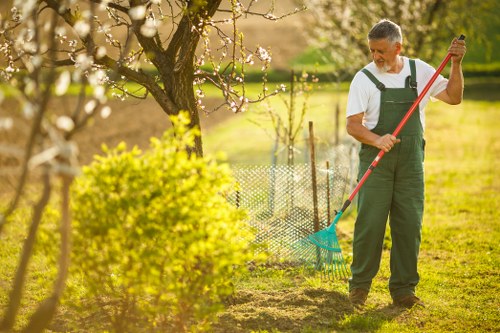
Every lawn is different, but the local environment plays a major role in how grass grows. Soil type, drainage, shade, rainfall, and seasonal temperature changes all influence the success of lawn care in Poplar. Some lawns may need extra aeration because the ground becomes compacted, while others may need more frequent feeding because nutrients are washed away over time.
Soil health is especially important. Grass roots need air, moisture, and access to nutrients. If the soil is too hard or too sandy, the lawn may thin out or become uneven. A soil test can help reveal whether your lawn needs lime, fertiliser, or better drainage solutions. This is one of the smartest first steps in any Poplar lawn care routine.
Weather also matters. Wet seasons can encourage moss and fungal problems, while dry spells can leave turf stressed and dull. Understanding these conditions allows you to create a routine that keeps the lawn looking good without overworking it. Local lawn care is successful when it responds to these changes instead of ignoring them.
Core Lawn Care Services That Make a Difference

Professional lawn care in Poplar typically includes a mix of regular and seasonal services. Each one supports the others, creating a lawn that is healthier, denser, and more resilient. The most effective lawn care plans usually include mowing, edging, feeding, aeration, weed control, moss treatment, and overseeding where needed.
Many homeowners think mowing alone is enough, but mowing is only one part of the picture. If grass is cut too short, it may weaken and allow weeds to spread. If it is cut too infrequently, the lawn can become rough and difficult to manage. A consistent mowing routine helps maintain even growth and encourages a thick, attractive finish.
Additional services such as scarifying and aeration can also transform a struggling lawn. Scarifying removes built-up thatch and debris, while aeration improves airflow and drainage. Together, these treatments create the right conditions for healthier root development and stronger grass coverage.
What a Good Lawn Care Routine May Include
- Regular mowing at the correct height for the season
- Edging for a sharp, tidy finish
- Feeding with the right nutrients at the right time
- Weed and moss control
- Aeration to relieve compaction
- Overseeding to fill bare or thin areas
- Watering strategies for dry periods
Mowing Tips for Better Lawn Health
Mowing is one of the most visible parts of lawn care in Poplar, but it is also one of the easiest to get wrong. Cutting grass too short can stress the lawn, especially during hot or dry weather. Leaving the grass too long can make it harder to manage and can encourage disease or unwanted growth.
The best mowing routine depends on the grass type and the season. During the main growing period, it is often better to mow little and often rather than remove too much at once. This approach supports stronger growth and gives the lawn a more even appearance. It is also helpful to keep mower blades sharp, since blunt blades tear the grass rather than cutting it cleanly.
For anyone focused on lawn maintenance in Poplar, edging should not be overlooked. Clean edges around borders, paths, and driveways make the whole garden feel more polished. A well-kept edge also helps define the lawn area and can reduce the spread of grass into unwanted spaces.
Useful mowing habits
- Never cut more than one-third of the grass height at once
- Adjust cutting height during dry or hot conditions
- Mow when the grass is dry for a cleaner result
- Change direction occasionally to prevent ruts
- Remove clippings if they are thick and clumping
Feeding and Fertilising Your Lawn

Feeding is one of the most important parts of lawn care in Poplar, especially if you want your grass to stay green and thick throughout the year. Fertiliser gives the lawn key nutrients such as nitrogen, phosphorus, and potassium. These support leaf growth, root strength, and overall resilience.
A balanced feeding schedule can improve colour, encourage fuller growth, and help the lawn recover after periods of stress. Spring feeding often boosts growth after winter, while summer feeding can help sustain colour and strength during warmer weather. In autumn, a specialist feed may prepare the grass for colder months by strengthening the roots rather than forcing soft top growth.
It is important not to overfeed. Too much fertiliser can scorch grass, create excess growth, or contribute to runoff issues. The best results come from using the right product for the season and applying it evenly. If you are not sure what your lawn needs, a soil analysis or professional assessment can help you make a better choice.
Common signs your lawn needs feeding
- Pale or yellowing grass
- Slow growth during the active season
- Thin, weak-looking patches
- Reduced recovery after mowing
- General loss of vigour and colour
Dealing with Weeds and Moss
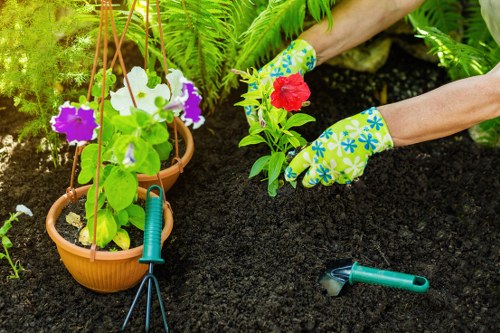
Weeds and moss are two of the most common frustrations for homeowners looking after their gardens. Both can make a lawn look untidy and both often indicate that the grass is under pressure. Effective lawn care in Poplar means tackling the cause as well as the visible problem.
Weeds spread when grass is weak, soil is bare, or maintenance is inconsistent. Dandelions, clover, daisies, and other invasive plants can take over if they are not managed early. Moss, meanwhile, tends to thrive where there is shade, poor drainage, acidic soil, or compaction. If your lawn is regularly damp or waterlogged, moss can quickly become an issue.
Targeted weed control and moss treatment can help restore the balance, but prevention is just as important. Strong grass naturally resists invasion better than thin or stressed turf. That is why a healthy mowing, feeding, and aeration routine is a central part of Poplar lawn care.
Ways to reduce weeds and moss naturally
- Keep the lawn dense by overseeding thin areas
- Mow at the right height to protect the grass
- Improve drainage where water collects
- Aerate compacted areas to allow airflow
- Remove thatch and debris regularly
- Use the correct fertiliser to strengthen grass growth
Overseeding and Lawn Repair
Even the best lawns can develop thin spots over time. Pets, children, dry weather, shade, or heavy use can all leave a lawn looking patchy. Overseeding is one of the most effective ways to improve density and repair damaged areas. In lawn care in Poplar, overseeding is especially useful after aeration or scarifying because the seed can settle more easily into the soil.
Before overseeding, it helps to remove debris, mow the lawn short, and loosen the surface if needed. Choosing a seed mix suited to your lawn’s conditions is also important. Some lawns need shade-tolerant grass, while others benefit from hard-wearing varieties for active family spaces. The goal is to match the seed to the practical use of the lawn.
After seeding, consistent watering is crucial. The soil should stay moist but not flooded until the new grass establishes. With care and patience, overseeding can turn a tired lawn into a fuller, healthier feature that looks better throughout the year. Lawn repair in Poplar often starts with this simple but highly effective process.
Best times to overseed
- After scarifying to remove thatch
- Following aeration to improve seed-to-soil contact
- In early autumn for good moisture and mild temperatures
- In spring when growth resumes strongly
Aeration and Soil Improvement
Compacted soil is one of the hidden problems that can undermine lawn care in Poplar. When the soil becomes tightly packed, roots struggle to grow and water cannot move through the ground properly. This can create dry patches, moss growth, and weak grass development. Aeration helps solve this issue by opening up the soil and improving movement beneath the surface.
There are different forms of aeration, including hollow-tine and spike aeration. Hollow-tine aeration removes small plugs of soil, which is especially helpful in compacted lawns. Spike aeration creates holes without removing material and can still support drainage in lighter conditions. The best option depends on the lawn’s condition and the level of compaction.
Once the soil is improved, the lawn responds more effectively to water and nutrients. This is why aeration is often paired with feeding and overseeding. If you want better long-term results from Poplar lawn care, soil improvement should never be treated as optional.
Benefits of aeration
- Improves drainage and reduces puddling
- Helps roots access oxygen
- Supports better fertiliser uptake
- Reduces compaction from foot traffic
- Encourages deeper, healthier root systems
Seasonal Lawn Care in Poplar
Seasonal planning helps you stay ahead of problems before they become noticeable. The best lawn care in Poplar adapts across the year, with different priorities in spring, summer, autumn, and winter. Grass changes with the seasons, so the routine should change as well.
Spring is often the time for recovery. Winter may leave the lawn looking flat, patchy, or discoloured, so this is the season to mow carefully, feed, and repair damage. Aeration and overseeding can also be effective once the soil begins to warm.
Summer is usually about maintenance and protection. The lawn may need a higher mowing height to reduce stress, as well as more attention to watering during hot or dry periods. Poplar lawn care in summer should focus on avoiding overuse and helping the grass retain moisture.
Autumn is ideal for recovery and preparation. Scarifying, aeration, overseeding, and autumn feeding can all improve the lawn before winter. Winter is a lower-growth period, so the focus shifts to avoiding damage, reducing compaction, and keeping the lawn clear of debris.
Season-by-season priorities
- Spring: recovery, feeding, mowing, and repair
- Summer: watering, mowing control, and stress reduction
- Autumn: renovation, aeration, and root strengthening
- Winter: protection, drainage awareness, and minimal disturbance
Watering the Right Way
Watering seems simple, but it has a huge effect on the success of lawn care in Poplar. Too little water leaves grass stressed and brown. Too much can encourage shallow roots, waste water, and increase the risk of fungal problems. The key is to water deeply but not too often, encouraging roots to grow down into the soil.
Early morning is usually the best time to water the lawn. This allows moisture to reach the roots before the day becomes too warm and reduces evaporation. Evening watering can leave grass damp for too long, which may increase disease risk in some conditions. Lawns that are newly seeded or recently repaired may need more frequent light watering until established.
Established lawns generally benefit more from occasional deep watering than from frequent shallow watering. This encourages resilience and reduces dependence on constant maintenance. In lawn maintenance in Poplar, smart watering is one of the easiest ways to improve long-term lawn health without unnecessary effort.
Watering tips that support healthier grass
- Water early in the morning when possible
- Focus on deep soaking rather than surface wetting
- Reduce watering during cool or rainy periods
- Watch for signs of drought stress, such as curling blades
- Avoid creating standing water or runoff
When to Hire a Professional Lawn Care Service
Some homeowners enjoy looking after their own garden, but there are times when professional help makes more sense. If your lawn is large, heavily damaged, or affected by recurring weeds, moss, or poor drainage, expert lawn care in Poplar can save time and improve results. A professional team can identify the root cause of issues rather than treating symptoms alone.
Professional services are also useful when you need consistency. Regular mowing, scheduled feeding, seasonal treatments, and renovation work can all be managed more efficiently by a dedicated lawn care provider. This is especially helpful for busy households or commercial properties where appearance matters all year round.
Hiring a specialist does not mean losing control of your outdoor space. Instead, it gives you access to practical support and tailored maintenance. If you want a lawn that looks better without constant trial and error, Poplar lawn care services can be a smart investment.
Signs professional help may be needed
- Persistent moss or weed problems
- Large bare patches or thinning grass
- Poor drainage or water pooling
- Soil compaction and hard ground
- Time constraints or lack of equipment
Creating a Lawn Care Plan That Works
A strong routine is the best way to keep your lawn looking good throughout the year. The most effective lawn care in Poplar plans are simple, realistic, and based on what the lawn actually needs. That means observing the grass regularly, making small adjustments, and acting before issues grow worse.
It is helpful to think of lawn care as a cycle. Mow, feed, water, aerate, overseed, and monitor the lawn’s condition. When one part of the cycle is neglected, the whole lawn can suffer. A balanced plan supports stronger grass, better colour, and fewer invasive weeds or moss patches.
For many properties, the best result comes from combining DIY upkeep with occasional professional treatment. This gives you ongoing control while still benefiting from expert knowledge when needed. If your goal is a lawn that looks neat and stays healthy, Contact us today to explore a maintenance plan that suits your garden.
Making Lawn Care in Poplar Easier All Year Round
Good results do not happen by chance. They come from steady habits, local awareness, and the right techniques. With the right approach to lawn care in Poplar, you can improve the appearance of your garden, make maintenance easier, and build a healthier lawn that stands up better to weather and wear.
From mowing and feeding to aeration and overseeding, every part of the process contributes to the bigger picture. A lawn that is properly looked after becomes more than a patch of grass. It becomes a usable, attractive, and valuable part of the home. That is why Poplar lawn care should be treated as an ongoing investment, not a one-time task.
If your lawn needs attention now, do not wait for problems to spread. Start with the basics, improve the soil, and create a routine you can stick to. Book your service now and take the next step toward a greener, healthier outdoor space.
Quick lawn care checklist for Poplar homeowners
- Mow regularly at the correct height
- Feed in the right season with appropriate products
- Aerate compacted areas for better drainage
- Overseed thin spots to improve density
- Control weeds and moss early
- Water wisely during dry spells
- Review the lawn’s condition each season

