Hedge Trimming in Poplar: Keeping Local Hedges Healthy, Neat, and Long-Lasting
Why Hedge Trimming in Poplar Matters for Homes and Businesses
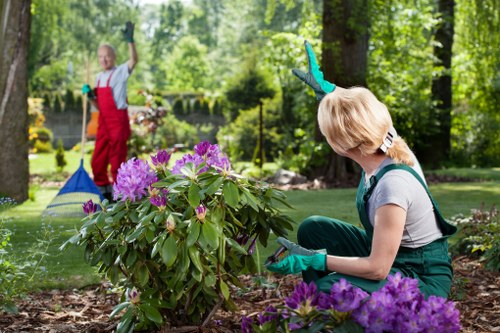
Hedge trimming in Poplar is more than a routine garden task. It is one of the most effective ways to keep outdoor spaces tidy, improve plant health, and maintain the privacy and structure that hedges provide. In a busy area like Poplar, where gardens, front boundaries, commercial properties, and shared green spaces all play an important role in the look of a street, well-maintained hedges make a noticeable difference.
Whether you manage a small residential garden or a larger commercial property, regular hedge trimming helps control shape, remove dead growth, and encourage thicker, healthier foliage. It can also reduce the risk of overgrowth blocking pavements, windows, driveways, or signage. For many property owners, professional hedge trimming in Poplar is a practical investment in appearance, safety, and long-term plant care.
Well-trimmed hedges create a clean, polished first impression. They can frame a property beautifully, support local biodiversity, and help maintain a sense of order in dense urban environments. If you want your garden to look cared for through every season, consistent hedge maintenance is essential.
Understanding the Value of Regular Hedge Maintenance

Many people wait until a hedge looks untidy before thinking about trimming, but regular maintenance is far more effective. Hedge trimming in Poplar should be seen as an ongoing care process rather than a one-off fix. By trimming at the right time and in the right way, you can help hedges grow stronger, fuller, and more manageable.
Different hedge species respond in different ways to cutting. Some grow quickly and need frequent shaping, while others require only light pruning once or twice a year. A professional approach to hedge trimming takes these differences into account and avoids unnecessary stress on the plant. This is especially important for mature hedges, newly planted hedges, and decorative hedging used for boundaries or screening.
Regular hedge maintenance also helps with safety and usability. Overgrown hedges can make paths feel narrower, reduce light in the home, and create blind spots near entrances or driveways. By keeping growth under control, you preserve visibility and improve the overall function of your outdoor space.
Common Hedge Types Found in Poplar
Poplar properties often feature a mix of hedge varieties, each with its own care needs. Knowing the type of hedge you have is an important first step in deciding how and when to trim it.
- Privet – fast-growing, dense, and popular for privacy screening.
- Laurel – broad-leaved and vigorous, often requiring firm but careful shaping.
- Box – compact and decorative, typically trimmed for formal outlines.
- Beech – attractive, seasonal, and ideal for a natural boundary.
- Hawthorn – hardy and wildlife-friendly, usually part of larger boundary hedges.
- Yew – slow-growing, long-lived, and suited to precise hedge trimming.
Each of these hedges benefits from a tailored trimming approach. For example, a fast-growing hedge may need shaping several times during the growing season, while a slow-growing formal hedge may only need light refinement. This is why hedge trimming in Poplar is most effective when the work is matched to the plant, not just the calendar.
Understanding your hedge type also helps you avoid common mistakes, such as cutting too hard into old wood or trimming at the wrong time of year. Proper identification supports healthier regrowth and a more attractive finish.
The Best Time for Hedge Trimming in Poplar
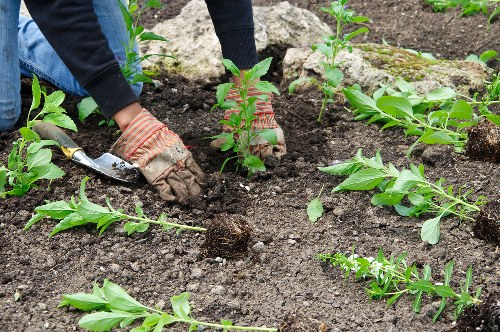
Timing matters a great deal when it comes to hedge trimming in Poplar. The right schedule depends on the species, growth rate, and purpose of the hedge. In general, most hedges benefit from trimming during the active growing season, with additional light shaping where necessary.
Spring and summer are often ideal for maintaining shape, controlling vigorous growth, and encouraging dense foliage. However, certain hedges should be trimmed with care during nesting season to avoid disturbing wildlife. This is one reason why professional hedge work should always be planned thoughtfully and carried out responsibly.
Autumn trimming can help tidy hedges before winter, but heavy cutting is not always advisable if plants need time to recover. Winter work may be suitable for some dormant species, yet frost and wet conditions can make the job more difficult and less effective. The right timing supports cleaner cuts, healthier growth, and better overall results.
Seasonal Timing Tips
To make hedge trimming in Poplar more effective, it helps to keep a seasonal eye on growth patterns.
- Early spring: remove any winter damage and begin light shaping where needed.
- Late spring to summer: carry out routine trimming to maintain size and density.
- Late summer: perform a final tidy-up for formal or fast-growing hedges.
- Autumn: make minor corrections and clear out dead growth.
- Winter: only trim certain hedges if conditions are suitable and the species allows it.
By following a sensible seasonal rhythm, you support plant health and reduce the chance of over-cutting. This approach also helps keep your hedge looking neat throughout the year.
Planning ahead is one of the simplest ways to get better hedge results. Instead of reacting to overgrowth, you stay in control of the hedge’s shape and development.
Benefits of Professional Hedge Trimming in Poplar

While some property owners prefer to do their own garden maintenance, professional hedge trimming in Poplar offers several advantages. Experienced gardeners and tree care specialists understand how different hedge species respond to cutting, how to achieve clean lines, and how to work safely at height or near boundaries.
One major benefit is consistency. A professional can deliver even, balanced cuts that improve symmetry and make the hedge appear well-kept from every angle. This is particularly useful for front gardens, business premises, rental properties, and shared outdoor areas where presentation matters.
Professionals also bring the right tools and techniques. Clean blades, reliable safety equipment, and suitable trimming methods all contribute to better results. In addition, a trained specialist can spot signs of disease, pest activity, or weak growth early, helping you take action before small issues become larger problems.
What Professional Trimming Can Improve
Professional hedge trimming can improve more than appearance alone. It can also support:
- Health: better airflow and light penetration inside the hedge.
- Structure: a balanced shape that reduces uneven strain on branches.
- Safety: lower risk of hedges obstructing paths, roads, or entrances.
- Privacy: a denser barrier for screening gardens and boundaries.
- Property value: a neat exterior that enhances curb appeal.
These benefits show why hedge trimming in Poplar is not just cosmetic. It plays an important role in landscape care, property presentation, and the long-term condition of your plants.
If you want a hedge that performs well and looks attractive year-round, regular trimming is the smart choice.
Safety Considerations During Hedge Trimming
Safety is a critical part of hedge trimming in Poplar, especially when hedges are tall, wide, or close to roads and shared access points. Trimming at height often involves ladders, long-reach tools, or powered equipment, all of which require careful handling. For this reason, many people choose professional services for larger or more complex jobs.
Before trimming begins, it is important to check the area around the hedge. Hidden obstacles, unstable ground, overhead cables, and nearby glass or parked vehicles can all create hazards. The work should be planned so that cut branches are removed efficiently and debris does not create a slipping risk.
Personal protective equipment such as gloves, eye protection, sturdy footwear, and suitable clothing should always be used. Good practice also includes testing equipment before use, keeping blades sharp, and avoiding rushed or uncontrolled cuts. A careful, measured approach improves both the finish and the safety of the task.
Why Safety Matters More Than Many People Realize
Hedge trimming can look straightforward, but even routine work can lead to accidents if safety is ignored. Uneven ground, hidden nests, or branches under tension can all cause problems. In urban settings like Poplar, where properties are often close together, extra caution is especially important.
Safe hedge trimming also protects the hedge itself. Rough or poorly angled cuts can tear branches and leave the plant vulnerable to stress. By using proper methods, you improve plant recovery and reduce the chance of dieback or patchy regrowth.
Safe work is smart work, and it is a major reason professional hedge trimming remains so popular among property owners who want reliable results without unnecessary risk.
How Hedge Trimming Supports Healthy Growth
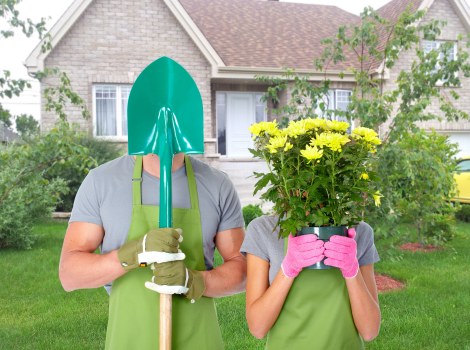
Healthy hedges are usually the result of regular care, and hedge trimming in Poplar is central to that process. When done correctly, trimming encourages fresh growth from the sides and top, making the hedge thicker and more attractive over time. This is particularly useful if your goal is to create a dense screen or improve the shape of an older hedge.
By removing weak, damaged, or crossing branches, trimming redirects the plant’s energy into stronger growth. This can lead to better foliage distribution and a more solid framework. In some cases, careful trimming also improves flowering or berry production on decorative or wildlife-friendly hedges.
Healthy hedge maintenance should always balance shape with plant well-being. Cutting too much at once can shock the hedge, while trimming too little can allow it to become congested and unproductive. The ideal result is a hedge that looks neat and grows in a controlled, natural way.
Signs Your Hedge Needs Attention
If you are unsure whether it is time for hedge trimming in Poplar, there are several clear signs to watch for:
- The hedge is spilling onto the pavement or driveway.
- Branches are blocking windows, paths, or signage.
- The hedge looks uneven or patchy in places.
- Dead or damaged growth is visible at the edges.
- The hedge is losing its intended shape or function.
- Light and airflow are being reduced around the property.
If you notice any of these issues, timely trimming can restore order and prevent the hedge from becoming harder to manage later. In many cases, a modest cut now is far easier than a major recovery job later.
Tools and Techniques Used for Hedge Trimming in Poplar
The right tools make a significant difference to the final appearance of a hedge. Depending on the size and style of the hedge, trimming may involve hand shears, hedge trimmers, loppers, pole tools, or saws for thicker growth. Each tool has a specific purpose and should be matched to the material being cut.
For smaller formal hedges, precise hand tools may be ideal because they allow for detailed shaping. For larger, denser hedges, powered equipment can help complete the job more efficiently while still maintaining a neat finish. The key is to use tools that create clean cuts rather than tearing the branches.
Technique matters just as much as equipment. A hedge should often be trimmed slightly narrower at the top than the bottom so that light reaches the lower growth. This tapered shape prevents the bottom from becoming thin and bare, which is a common issue in poorly maintained hedges.
Good Trimming Practices
Effective hedge trimming in Poplar usually includes the following practices:
- Inspect the hedge before cutting to identify damaged areas and nesting concerns.
- Trim gradually rather than taking off too much at once.
- Maintain a consistent shape and line across the full hedge.
- Remove cuttings promptly to keep the area clear and tidy.
- Check the hedge from different angles to ensure an even result.
These simple habits create cleaner, healthier outcomes and reduce the need for corrective work later. They also help give your hedge a polished, professional look.
Small improvements made regularly often produce the best long-term results.
Hedge Trimming for Privacy, Design, and Street Appeal
Many Poplar residents rely on hedges for privacy, especially in areas where homes, footpaths, and roads are close together. A carefully maintained hedge can create a natural screen that softens the look of a property while still keeping it welcoming. This is one of the biggest reasons hedge trimming in Poplar remains in such steady demand.
Beyond privacy, hedges can also serve as an important design feature. Straight, crisp lines can give a formal appearance, while gently shaped hedges can create a softer, more relaxed look. The style you choose should match the property and the surrounding landscape.
Street appeal matters for homeowners, landlords, and business owners alike. A neat hedge sends a message of care and attention. It helps the entire property look maintained, which can be especially valuable in competitive rental or commercial settings.
Matching Style to Property Type
Different properties often benefit from different hedge styles:
- Residential front gardens: low to medium hedges with tidy, welcoming lines.
- Rear gardens: taller hedges for privacy and wind protection.
- Commercial premises: clean, controlled hedges that reflect a professional image.
- Shared spaces: safe, manageable hedges that preserve visibility and access.
When hedge trimming in Poplar is matched to property use, the result is more functional and visually pleasing. That balance is what makes hedge care so valuable in both domestic and commercial landscapes.
Environmental Benefits of Thoughtful Hedge Care
Hedges can support wildlife, reduce wind exposure, and contribute to greener urban environments. When hedge trimming in Poplar is carried out responsibly, these benefits are preserved while the hedge remains neat and manageable. Thoughtful trimming avoids unnecessary disturbance and helps maintain shelter for birds, insects, and other small wildlife.
Well-kept hedges can also improve microclimates around a property by reducing drafts and providing shade. In urban areas where hard surfaces dominate, a healthy hedge adds softness, texture, and a sense of natural balance. This makes good hedge maintenance valuable not only for people but for the wider local environment too.
Responsible trimming supports both aesthetics and ecology. By avoiding excessive cutting and respecting seasonal wildlife activity, property owners can enjoy attractive hedges without compromising local nature.
Practical Advice for Property Owners
If you want better results from hedge trimming in Poplar, it helps to build a simple maintenance routine. Keep an eye on growth throughout the year, note where the hedge is thickening or thinning, and plan trimming before the hedge becomes difficult to manage. This proactive approach saves time and often reduces the overall workload.
It is also wise to avoid trimming during poor weather. Wet hedges can be slippery and harder to cut cleanly, while strong winds can make the job less precise. Dry, calm conditions usually provide the safest and most effective environment for hedge work.
Book your service now if your hedge is becoming overgrown, uneven, or difficult to maintain. Prompt action can restore shape and help protect the plant’s long-term condition.
When to Consider Ongoing Professional Support
Some hedges are easy to manage with occasional care, but others benefit from ongoing professional support. This is especially true for tall hedges, formal boundary lines, or fast-growing species that need regular shaping. Professional hedge trimming in Poplar can provide a dependable schedule that keeps everything under control without last-minute stress.
Ongoing support is also useful if you want a consistently high standard of finish. Over time, regular care helps prevent major corrective pruning and makes the hedge easier to maintain. That means less disruption, less waste, and a more attractive result throughout the year.
If your hedge is part of the overall presentation of your home or business, keeping it professionally maintained can be one of the easiest ways to enhance the property. Contact us today to keep your hedge neat, healthy, and looking its best.
Final Thoughts on Hedge Trimming in Poplar
Hedge trimming in Poplar is a valuable part of garden and property care. It helps hedges stay healthy, attractive, and functional while supporting privacy, safety, and street appeal. Whether you are looking after a small domestic hedge or a larger boundary screen, consistent trimming makes a clear difference.
By understanding hedge types, choosing the right timing, following safe working practices, and using suitable techniques, you can achieve results that last. If you prefer expert support, professional hedge trimming offers the skill, equipment, and experience needed to do the job properly.
Well-maintained hedges are a sign of care, quality, and good planning. If your hedge needs attention, now is the ideal time to act. Keep your outdoor space looking neat, healthy, and inviting with timely hedge trimming in Poplar.

